



You sit on your cushion more hours than you sleep on your mattress. Most of us never think about it until the day it starts to smell.
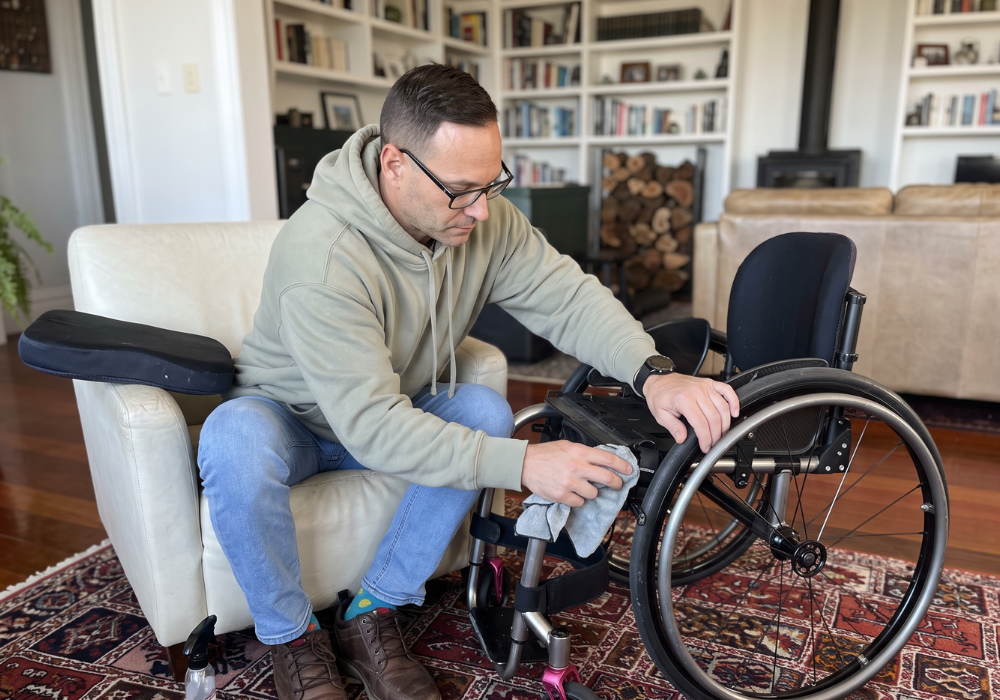
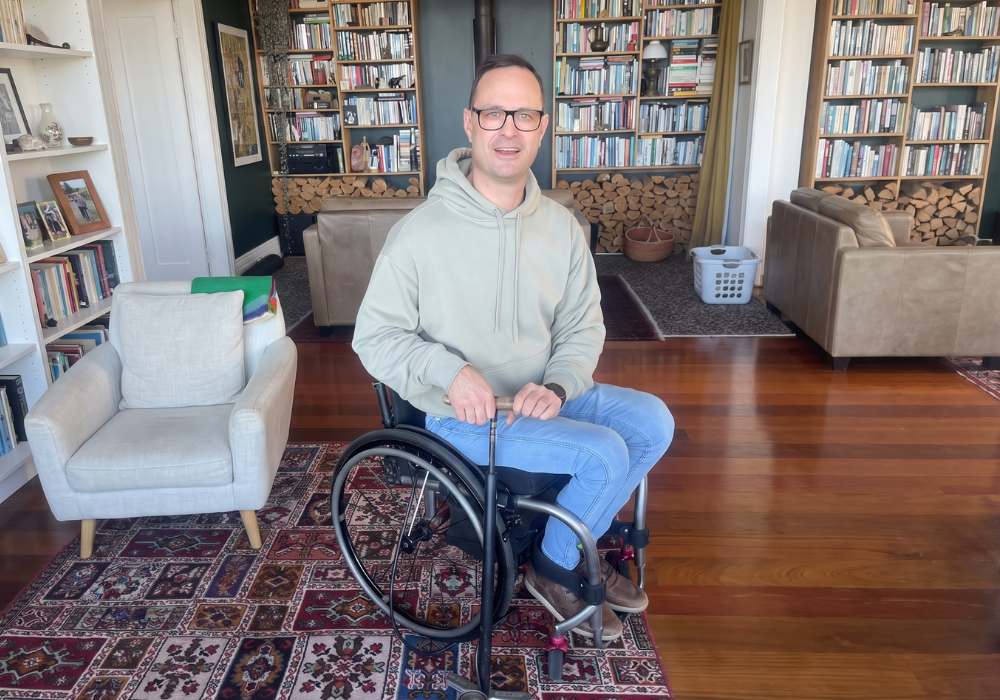
I've been a full-time wheelchair user since 2012, and figuring out how to clean a wheelchair cushion properly took me longer than it should have. For years I'd strip the cover, wash it, and put everything straight back together. The cover came out fine. The insert underneath was still holding a week of sweat.
Here's the routine I've settled on.
My weekly wheelchair cushion routine.
Take the cover off in the evening and put it in the wash. Stand the insert on its edge somewhere airy and leave it overnight. In the morning, pull a fresh cover onto the aired insert and drop it back on your chair. Five minutes a week.
That's it. The whole trick is doing it in the evening instead of the morning, because the insert needs hours of air, not minutes.
I leave mine standing against the wall beside my bed. On its edge, not flat, so air gets to both faces. First thing in the morning it's right there where I'll trip over it, which is the only reason I've stuck to this for as long as I have.
I'm lucky enough to have two inserts, so I'll often swap them and give one a proper couple of days to breathe. If you've only got one, the overnight swap does the job on its own.
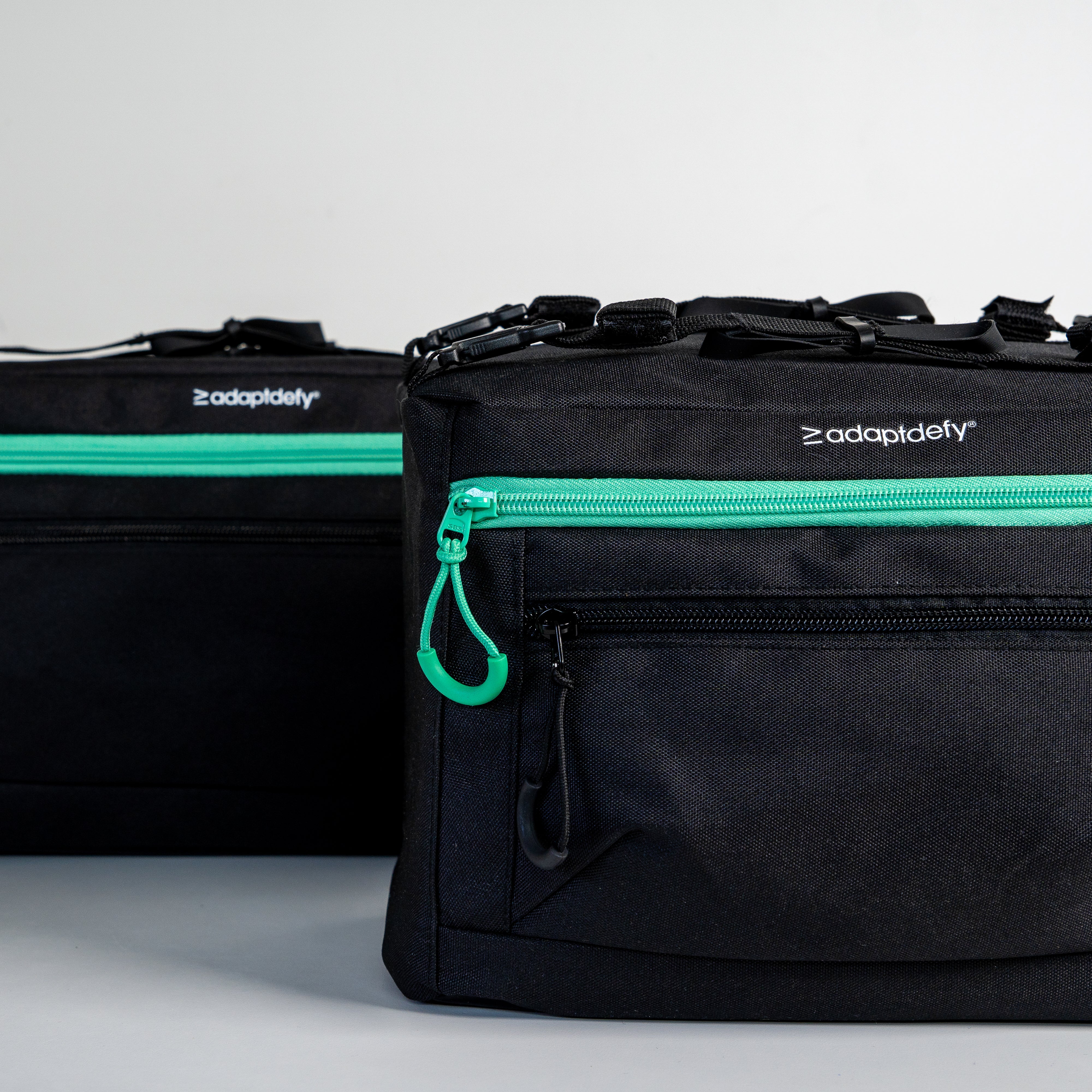
Two covers is the best upgrade you'll make.
This is the bit I wish someone had told me a decade earlier.
With one cover, washing it means losing your chair for a day, or putting a damp cover back on because you need to go somewhere. So you skip it. Then you skip it again.
With two, there's no decision to make. Dirty one goes in the wash, clean one goes on, and you're out the door. The cost of a spare cover is somewhere around a tank of petrol, and it's the single change that turned cushion cleaning from a chore I avoided into something I actually do.
One thing to watch if you're on a prescribed pressure-relief cushion: a spare cover is easy, but a spare insert has to be the same make, model and size as your original. Different cushion, different pressure map. And if you're on an air cushion, it needs re-inflating and hand-checking every single time you swap it. Worth a quick word with your OT or seating therapist before you buy anything.
How to clean the cushion insert, by type.
The cover is the easy part. Cold wash, gentle cycle, mild detergent, then tumble dry on low or hang it up. Never hot, because heat kills the stretch and the waterproof backing, and a cover that's gone stiff changes how the cushion works underneath you.
The insert is where people come unstuck, and the right method depends entirely on what's inside yours.
|
Cushion type |
Do this |
Never do this |
|
Honeycomb or cell matrix (Stimulite, Vicair) |
Usually genuinely washable. Rinse it out, air dry. Check your manual for cell placement before you pull anything apart. |
Don't reassemble segmented cushions in the wrong order. |
|
Open-cell foam |
Wipe with a damp cloth, no soap. Air dry fully, which takes anywhere from 4 to 24 hours. |
Don't soak, submerge or hose it. Foam holds water deep in the core, then grows mould and loses support. |
|
Closed-cell or coated foam |
Wipe down with mild soapy water, rinse, pat dry, then air dry. |
Don't scrub the coating hard. Once it splits, water gets into the foam underneath. |
|
Air cell (ROHO and similar) |
Close the valve first. Wash the outside with a soft brush and mild detergent, then hang to air dry. |
Don't let water or cleaning solution get inside the cushion, and don't machine wash it. |
|
Gel or fluid-filled |
Wipe with mild soap and water, dry thoroughly. |
Don't use abrasive cleaners or solvents. |
When your manual disagrees with anything on this page, your manual wins.
My deep clean, and who it works for.
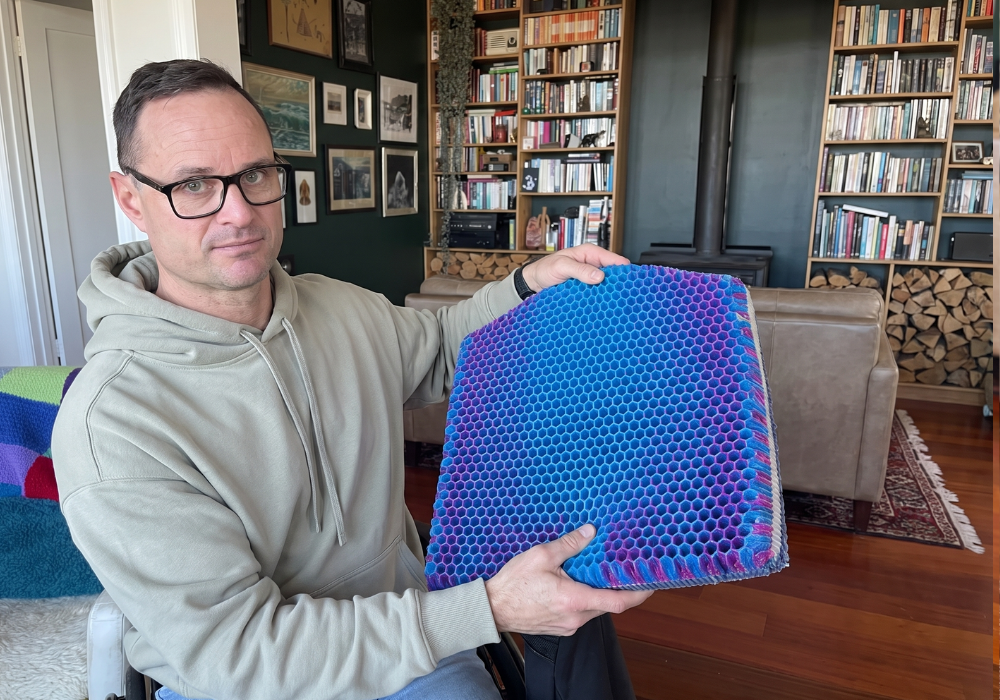
Every so often I take my cushion outside and hose it out properly. Really flush it through, then leave it to dry off in the fresh air.
I can do that because I'm on a honeycomb cell cushion, and it's built to be washed. That's the important caveat. If you're on open-cell foam, hosing it is the fastest way to ruin a cushion you probably waited months to get. If you're on a ROHO, water inside the cells is a warranty problem and a hygiene problem at the same time.
On drying: a bit of sun and moving air does a great job on odour. Just bring it in once it's dry rather than leaving it out baking all afternoon, because prolonged UV breaks down cushion materials over time. Fresh air is the useful part. The sun is just a bonus.
And the reason all of this matters more than a bit of smell: heat and moisture sitting between you and your cushion is a known contributor to pressure injury risk. A damp insert is working against your skin every hour you're on it. Five minutes a week is cheap insurance.
When it still smells.
If you've washed the cover, aired the insert, and it still smells, cleaning isn't going to fix it.
Usually that means one of two things. Either there's been a spill or an accident that soaked through to the core, or the cushion is simply worn out. Most last somewhere between two and five years. If yours is at that end of its life and holding an odour you can't shift, that's your sign to start the replacement conversation rather than scrub harder.

Leave a comment
All comments are moderated before being published.
This site is protected by hCaptcha and the hCaptcha Privacy Policy and Terms of Service apply.