

What I noticed.
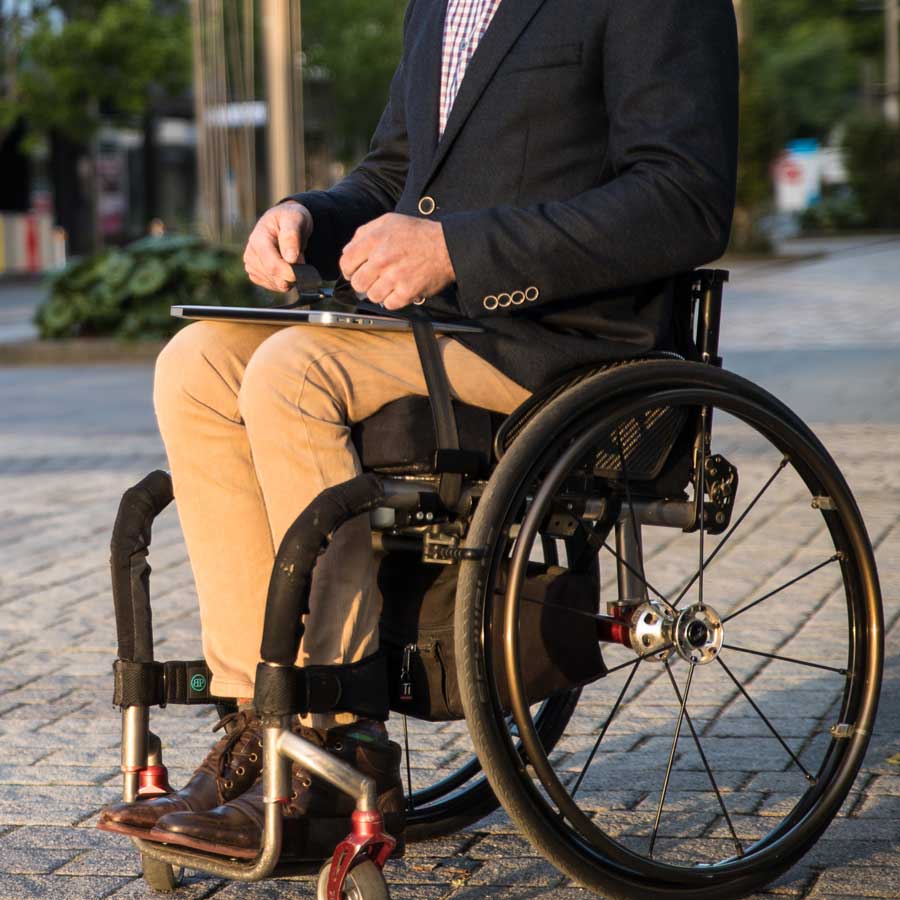
When I became a paraplegic in 2012, getting active wasn't the first thing on my mind. I was focused on recovery and figuring out how everything worked now. Trying not to feel like a completely different person than who I was before my injury.
But somewhere in that process, I started to notice something.
The activities that actually helped my mental health were the ones that helped me enter a flow state, a mental state where you're completely absorbed in what you're doing, and time disappears. And your brain stops running its usual commentary.
The days I got outside, really outside, were different days; I was more patient. More focused. Less inside my own head.
The physical benefit was obvious. But the mental shift was bigger than I expected.
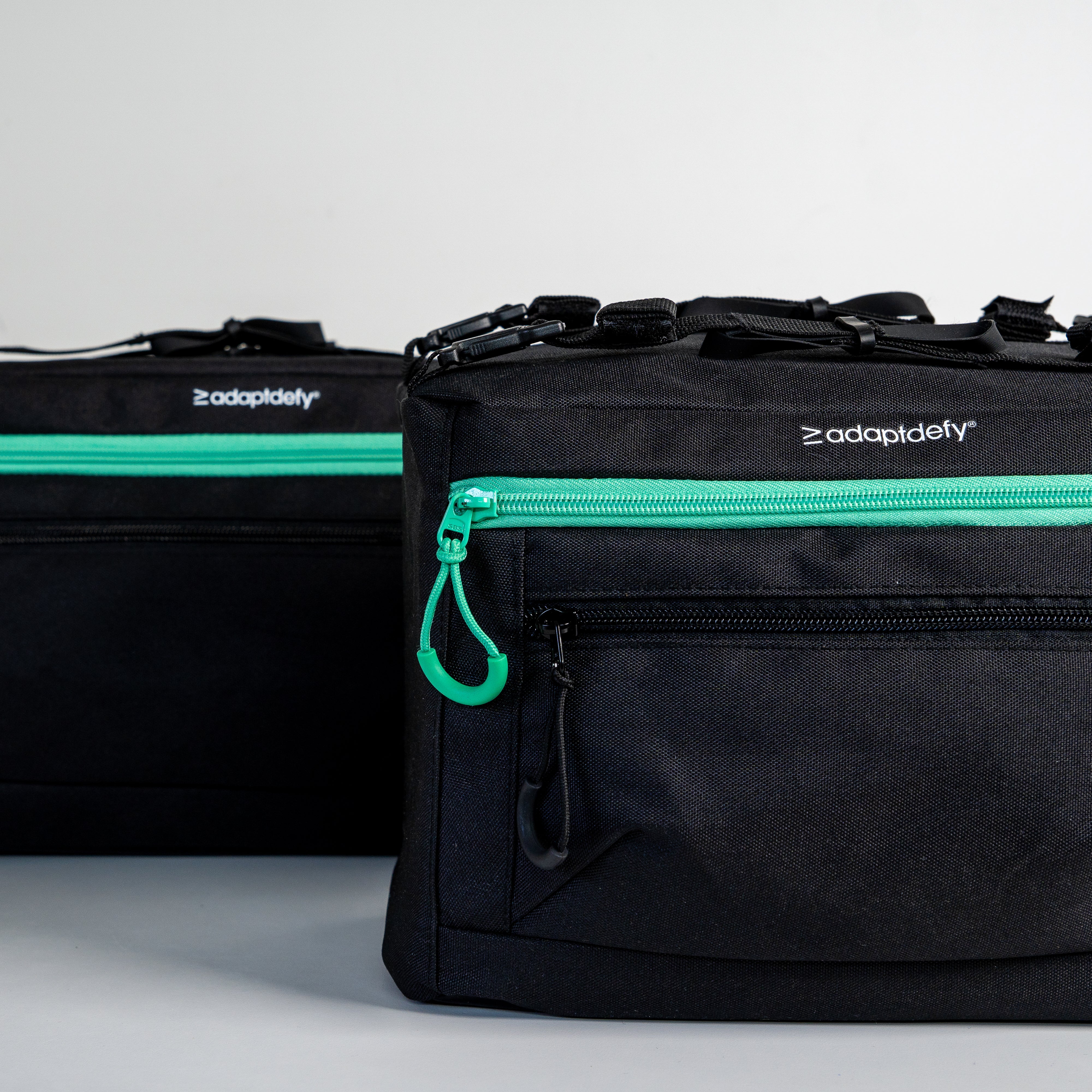
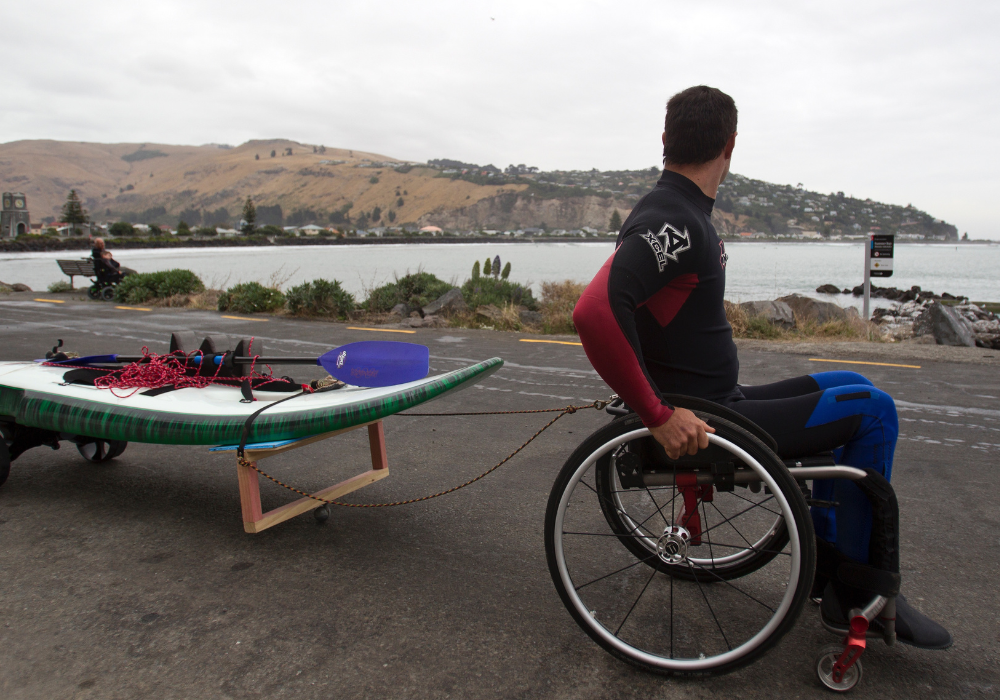
And this shift was in thanks to some incredible adaptive equipment I’ve been lucky to test and experience.
What "adaptive" actually means.
Adaptive equipment removes barriers and levels the playing field, so you can focus on the actual challenge.
The activities are still hard, but the equipment just makes sure that your wheelchair isn't the reason you can't get involved.
The adaptation is the access point. What you do once you're in is entirely up to you.
Adaptive sports and hobbies do something that gym sessions and physio appointments can't fully replicate. They put you in a context where you're not a wheelchair user navigating the world. You're a person doing a thing. And that matters more than I can explain.
Three ways adaptive hobbies build you up.
1. They build physical strength where you need it most.
As wheelchair users, we rely heavily on our upper bodies. Propulsion. transfers, and getting back up when things go wrong
Adaptive sports, kayaking, hand-cycling, skiing, even just getting outdoors and carrying your gear, build the kind of functional strength that carries over into daily life.
It's a kind of strength that means you can manage on your own, push further without fatigue, and hold your independence as you age.
Do your best with what you've got, and continually look to improve your skills.
2. They rebuild confidence faster than anything else.
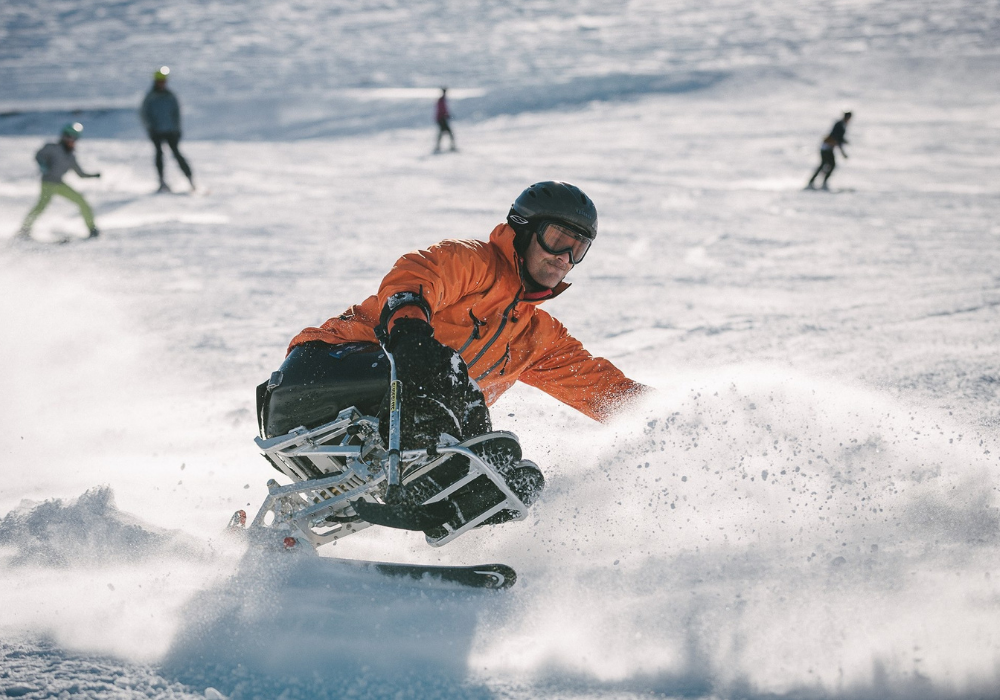
The first time I got into a sit-ski, I was certain I was going to face-plant immediately and make an idiot of myself. I was tense, anxious, and genuinely unsure if this was a mistake.
Then I moved. And I didn't fall.
There's a part of confidence that comes from reflection and doing the inner work. But there's another version that comes from doing something hard in the real world and discovering your body still knows what to do.
Adaptive hobbies give you that second kind in a hurry. When it feels too hard, it's likely just you getting in the way. Try getting out of the way.
3. They give you freedom that is completely yours.
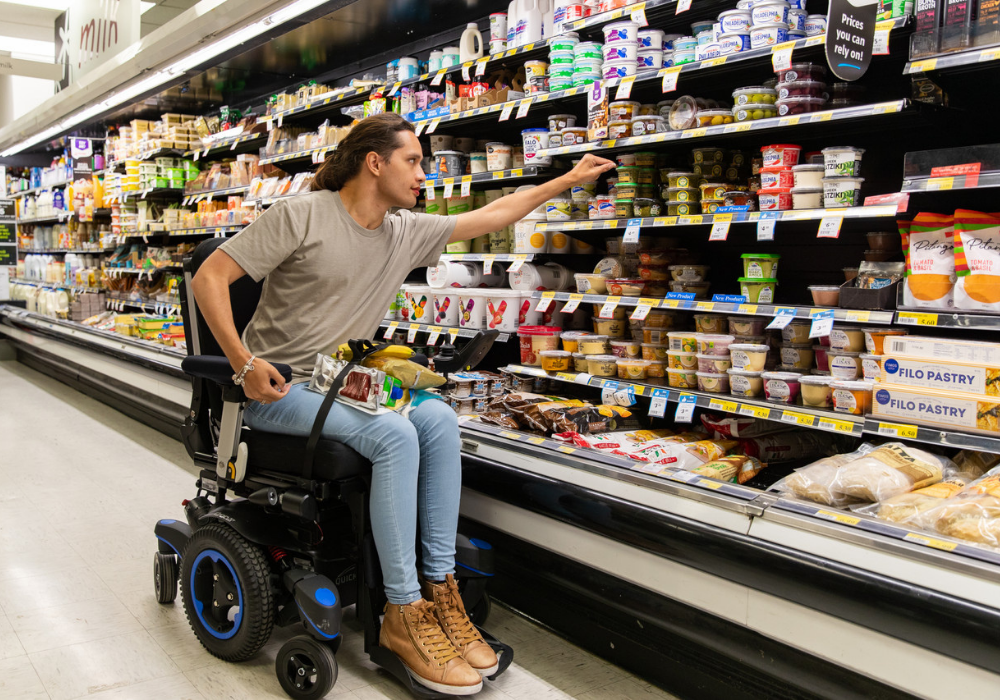
People talk a lot about independence in the wheelchair community, and usually it means things like accessible bathrooms and being able to get your own groceries.
I’ve found there's a deeper version of freedom, the kind where you are genuinely reaching a flow state.
That freedom is hard to put a price on. And adaptive hobbies are one of the few places where it's consistently available.
Finding what works for you.
Adaptive hobbies are not one-size-fits-all. What gives me flow might do nothing for you.
That's okay.
The process is exploration. You try things. Some land, some don't. You pay attention to how you feel and find the activities that leave you feeling more like yourself. More capable. More settled. Those are the ones to keep going back to.
Your turn.
And now we want to hear from you.
We know this community is full of wheelchair users who've found their own ways to get out, get active, and get living. We know you've got stories, and setups, and activities that are entirely your own.
So we're asking you to share them.
Show us the adaptive sport or hobby that lights you up.
Show us your equipment. The custom setups. The clever adaptations. The things you figured out yourself because nothing off the shelf quite worked.
Tell the story of the activity that brought you the most joy after you became a wheelchair user, the one that made you feel most like yourself.
Let's learn from each other and showcase what's possible when you adapt, defy and thrive.
Let us know if you have any comments, or email us - support@adaptdefy.com

Leave a comment
All comments are moderated before being published.
This site is protected by hCaptcha and the hCaptcha Privacy Policy and Terms of Service apply.