

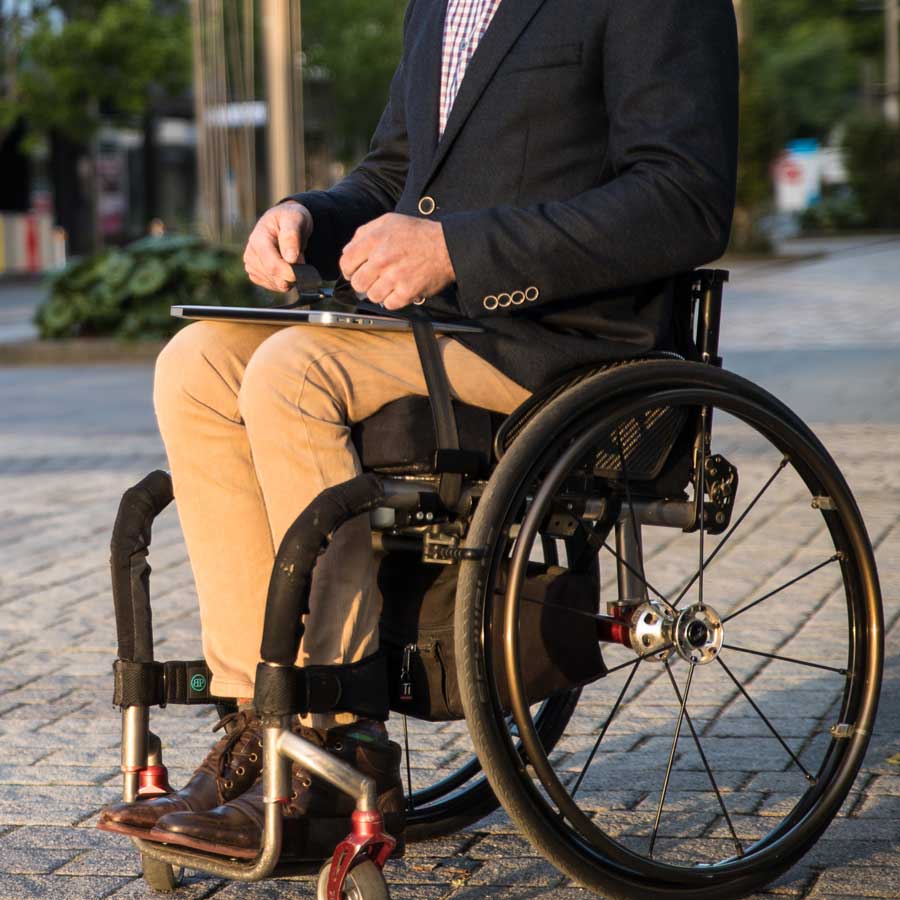
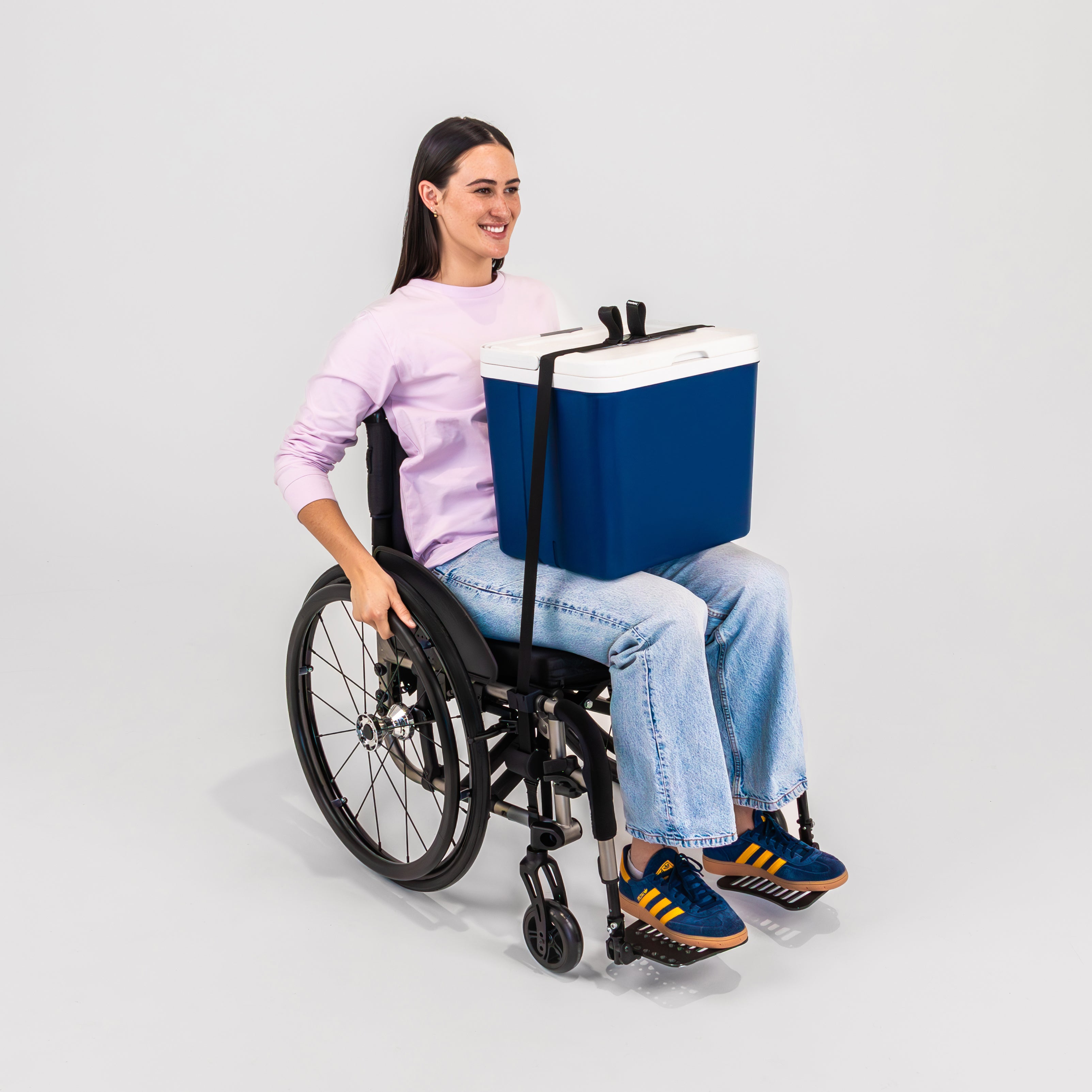



Like many wheelchair users, driving is essential to my sense of freedom. It allows me to live independently and go where I want, when I want. However, that freedom depends heavily on one core skill: transferring in and out of my vehicle.
The Realities of Wheelchair Transfers
You often see videos of people effortlessly tossing their chairs into their cars, and whilst that's fantastic for them, it's not everyone's reality. Everybody has different abilities, and it's crucial to acknowledge that what looks easy for one wheelchair user can be an exhausting struggle for another.
Transferring into a car as a wheelchair user can be complex. For many wheelchair users, limited upper-body strength, reduced core stability, and individual mobility challenges can make the process much more physically demanding than it may seem.
How do I transfer into my car?
- Position the seat as low as possible to minimize the distance I have to transfer.
- Use a quick-release, removable steering ball so the frame doesn't catch as I transfer it in.
- I take the wheels off my wheelchair and put them on the back seat one by one
- Lift the frame in and place on the front seat. I have a fully fixed frame, so I leave the side guards and cushion on.
- I use the passenger seat belt to buckle my wheelchair in place, so it’s nice and secure.
Strategies for easier transfers.
Utilise assistive devices: Transfer boards or sliding boards can bridge the gap between wheelchair and vehicle, reducing physical effort. Swivel cushions or seat lifts make it easier to rotate and position your body. Grab bars or handles installed in the vehicle provide additional support and stability during transfers.
Optimise positioning: Carefully position your wheelchair and vehicle to minimise distance and height difference. Adjust the vehicle seat to the appropriate height for smoother transfers. Ensure the wheelchair is properly secured and stabilised before and during the process.
Develop effective techniques: Practise your transfer techniques to find what works best for your needs. Use proper body mechanics, engage core muscles, and distribute weight evenly to minimise strain and fatigue. Consider seeking guidance from occupational therapists or physical therapists for personalised recommendations and training.
Advocate for accessible design: Encourage vehicle manufacturers to prioritise accessibility features that facilitate easier wheelchair transfers. Support organisations and initiatives working to improve transportation options and accessibility for individuals with disabilities.
The importance of sharing real experiences.
I'm sharing my story because the realities of wheelchair users are often far from the idealised portrayals we see online. Wheelchair transfers are physically demanding, exhausting, and fraught with obstacles, even with my lightweight chair.
It's important to acknowledge and share the real-life struggles wheelchair users face when navigating the world. By openly sharing these experiences, we raise awareness and help push for more accessible vehicle designs and transportation options.



Leave a comment
All comments are moderated before being published.
This site is protected by hCaptcha and the hCaptcha Privacy Policy and Terms of Service apply.